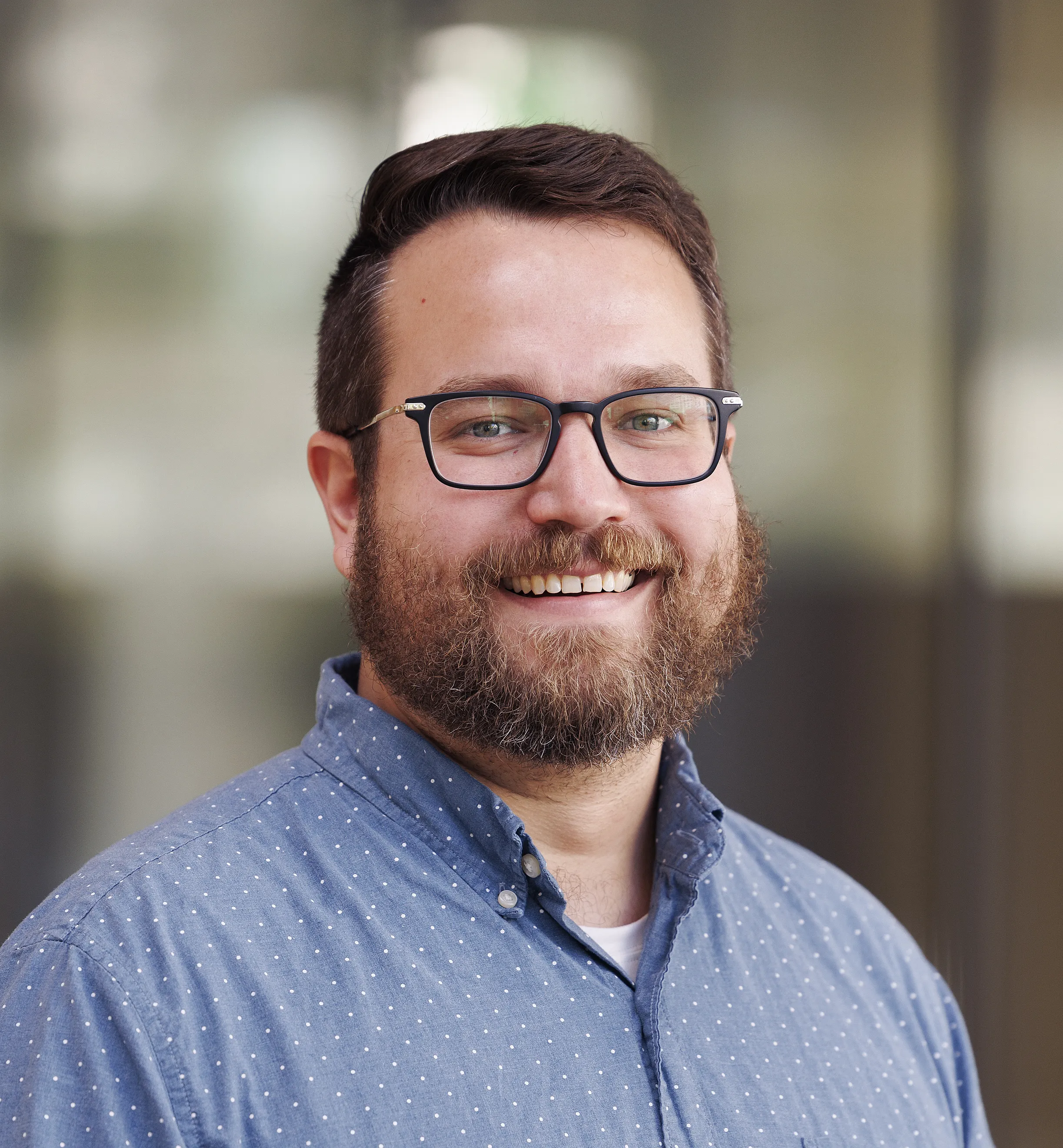
Charlie Evavold, PhD
Massachusetts General Hospital
Phone: (857) 268-7028
EmailMassachusetts General Hospital
Our group aims to understand how the type and magnitude of cancer cell death shape immune responses and influence tumor progression and response to therapy.
Cell death is not a uniform endpoint but a spectrum of fates that range from immunologically silent to highly inflammatory. In healthy tissues, regulated death maintains homeostasis and supports tissue repair. In cancer, however, cell death is frequently suppressed or occurs in forms that fail to engage the immune system, allowing tumors to persist and resist therapy. The way a cancer cell dies, whether through apoptosis, pyroptosis, necroptosis, or ferroptosis, determines whether immune cells perceive danger or remain tolerant. The molecular features that define how tumors resist or respond to these pathways remain incompletely understood.
Our research addresses this gap by decoding and reprogramming the communication between dying cancer cells and immune sentinels. To accomplish this, we employ synthetic biology, CRISPR based precision screening, and mRNA delivery technologies to control when, where, and how cancer cells die. Using melanoma, breast cancer, pancreatic cancer, and bladder cancer models, we investigate how death associated signals are sensed by dendritic cells (DCs) and macrophages. We remain interested in sublethal death signaling to determine how resistant survivors adapt. Finally, we aim to create a hierarchy of cell death immunogenicity across different cancer types demonstrating how the mode and magnitude of cell death influences inflammation and generation of adaptive immunity.
The causes and consequences of cancer cell death represent a critical determinant of therapeutic success. By defining the rules of immunogenic versus silent cell death and developing tools to reprogram these fates, our research establishes a foundation for a new class of cell death-inspired immunotherapies that overcome immune resistance and promote durable tumor control.
Charlie Evavold, PhD
Massachusetts General Hospital
Phone: (857) 268-7028
Email