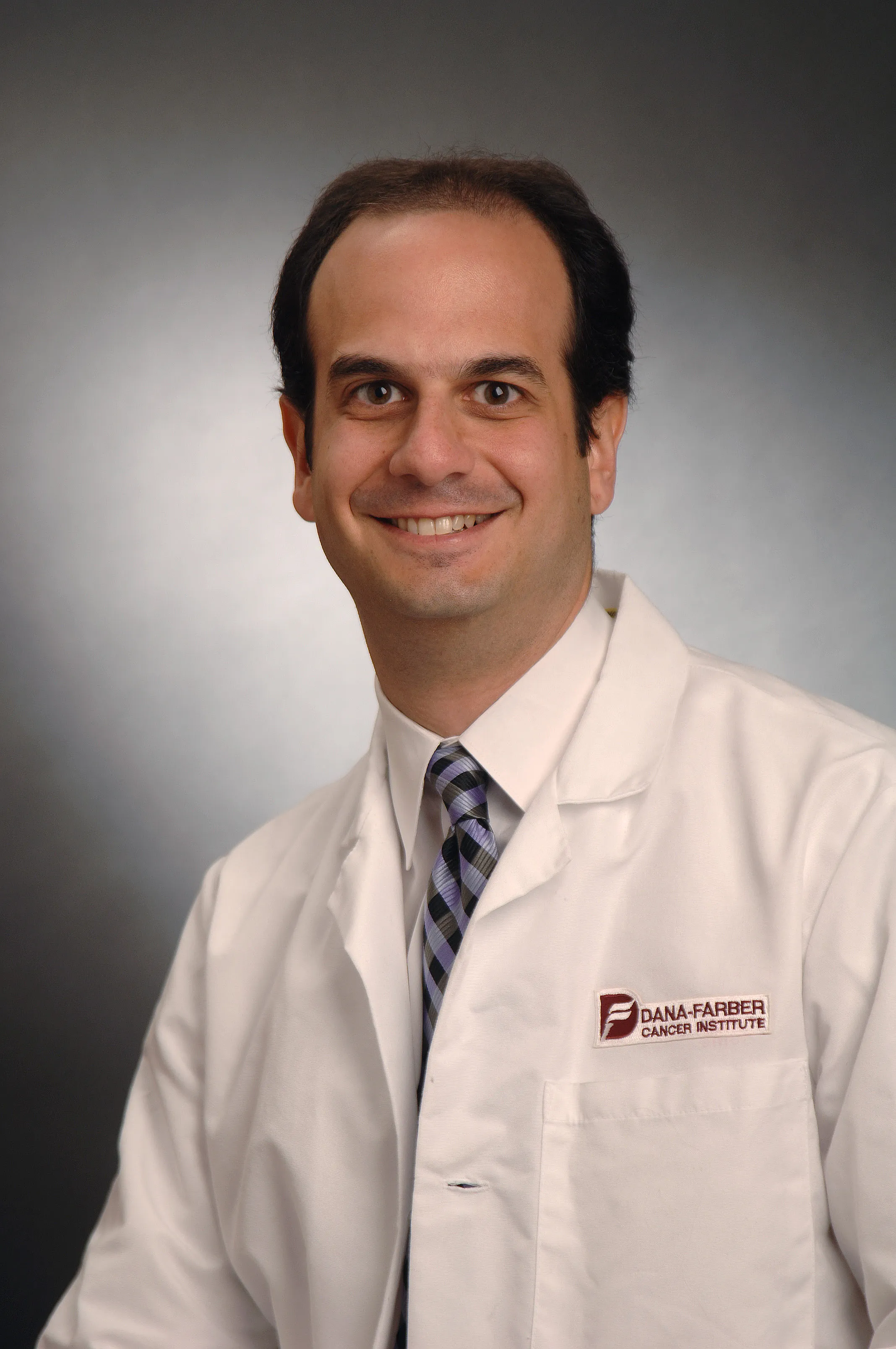
Corey Cutler
Dana-Farber Cancer Institute
Dana-Farber Cancer Institute
The primary focus of my research career is the prevention and treatment of acute and chronic graft-vs.-host disease (GVHD). Acute GVHD occurs in 35-55% of patients undergoing allogeneic stem cell transplantation and is one of the most important causes of mortality early after transplantation. Over the past few years, I have developed several new strategies to prevent acute GVHD using the novel compound, sirolimus. This compound has now been tested in several clinical scenarios, such matched, related donor transplantation, unrelated donor transplantation and umbilical cord blood transplantation. As a result of phase II investigations I have previously performed, this strategy is now the subject of a randomized, phase III trial being conducted by the Bone Marrow Transplant Clinical Trials Network (BMT CTN), and I am serving as the principal investigator. In addition to the prevention of acute GVHD, I also focus on the prevention and treatment of chronic GHVD. Chronic GVHD is the most important cause of late morbidity and mortality after allogeneic stem cell transplantation, and occurs in up to 60% of transplant survivors. As a result of studies I performed demonstrating the role of B cells in the pathophysiology of chronic GVHD and that B cells can be targeted for treatment of chronic GVHD, I have begun a clinical trial using the monoclonal B cell antibody, rituximab, in the prevention of chronic GVHD. Currently, there are no proven pharmacologic methods for preventing chronic GVHD, and it is hoped that this multicenter clinical trial is successful in demonstrating a role for this approach. In addition, I am investigating several other novel compounds and approaches for the treatment of established and steroid resistant chronic GVHD. A secondary focus of my work is outcomes analysis and decision making in stem cell transplantation. Despite the rapid advancement of the science of transplantation, the manner in which physicians makes choices with their patients regarding the type of stem cell transplant and the timing of stem cell transplantation is still lacking. To this end, I have embarked on projects in decision theory related to the timing of reduced-intensity transplantation for myelodysplastic syndrome in the elderly and the role of transplantation for acute myeloid leukemia in first complete remission, in collaboration with colleagues at the Dana-Farber Cancer Institute and in the national transplantation committee. In addition, I remain involved in outcome studies being performed at the Center for International Blood and Marrow Transplantation Research as well.
Corey Cutler
Dana-Farber Cancer Institute