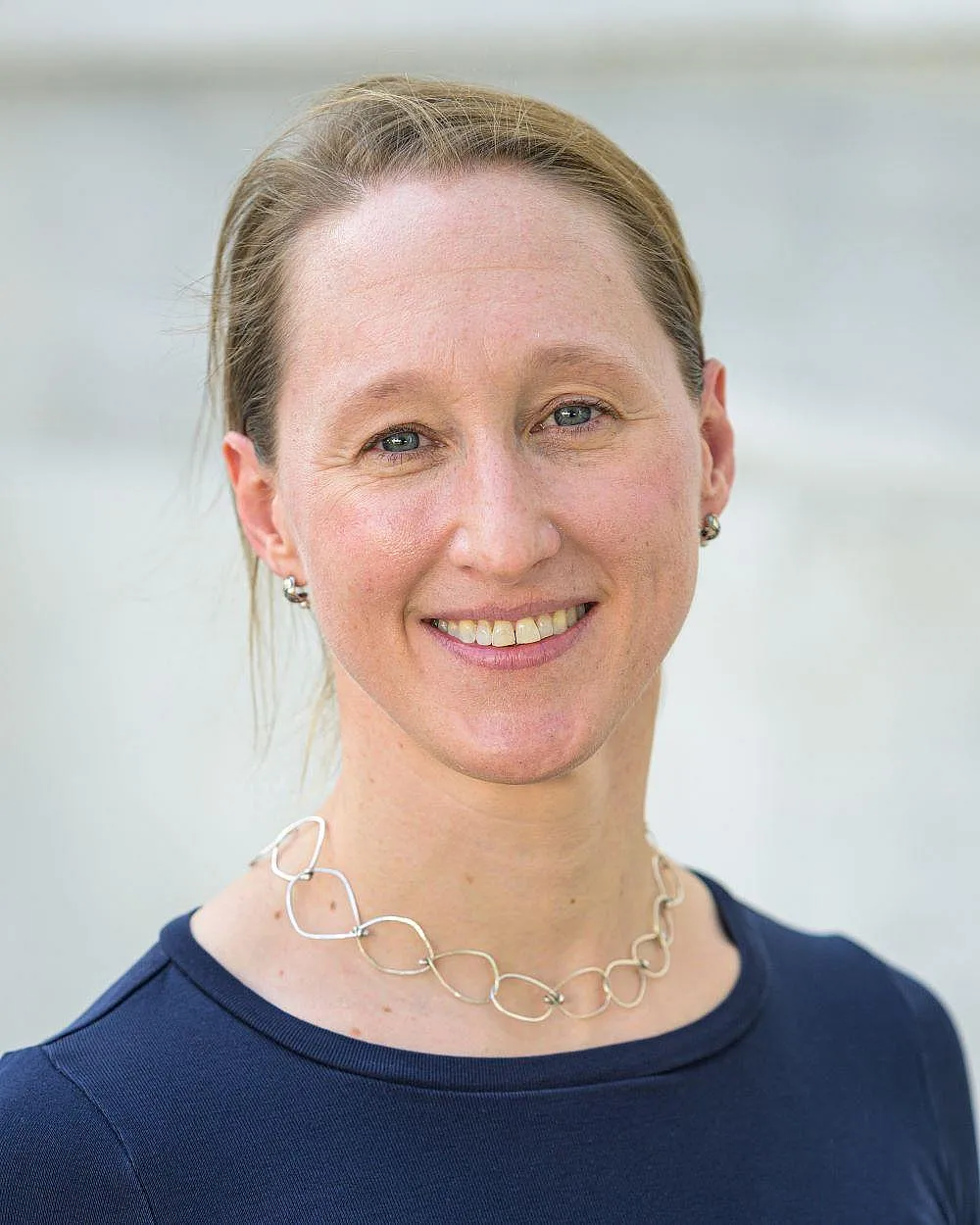
Sloan Devlin, PhD
Harvard Medical School
Phone: (617) 432-5186
EmailHarvard Medical School
The Devlin laboratory uses strategies from chemical biology to study the human microbiome. Our long-term goal is to understand and control the chemistry of human-associated bacteria in order to uncover how these bacterial guests affect the human host.
The human microbiome plays a vital role in health and disease. Microbial imbalance has been linked to a wide range of disease states, including inflammatory bowel diseases, cancer, autism, and obesity. However, the ways in which commensal bacteria interact with and affect the human host at a molecular level are poorly understood. One of the most concrete ways that the microbiome affects the host is through the production of small molecule metabolites, some of which accumulate in the body to levels higher than that of a typical drug. We are utilizing strategies and techniques from synthetic organic chemistry, molecular biology, microbiology, analytical chemistry, bioinformatics, and gnotobiotic mouse experimental design to 1) elucidate the biosynthetic pathways and biological functions of small molecules produced by the human microbiome and 2) design, synthesize, and utilize small molecules to probe and manipulate human-associated bacteria in vivo. Ongoing collaborative projects in the lab explore metabolic and immune processes in the gut-liver axis that are linked to the development of colon and liver cancer. Current project areas in the lab include:
Uncovering how and why bacteria metabolize host-produced molecules, including bile acids. By uncovering how and why bacteria transform these compounds, we will pave the way for the rational alteration of the human gut microbiome to treat diseases such as inflammatory bowel disease, obesity, colon cancer, and liver cancer.
Monitoring and altering bacterial metabolism in vivo. We are designing, synthesizing and utilizing activity-based small molecule probes to selectively monitor and affect bacterial metabolism in vivo.
Sloan Devlin, PhD
Harvard Medical School
Phone: (617) 432-5186
Email