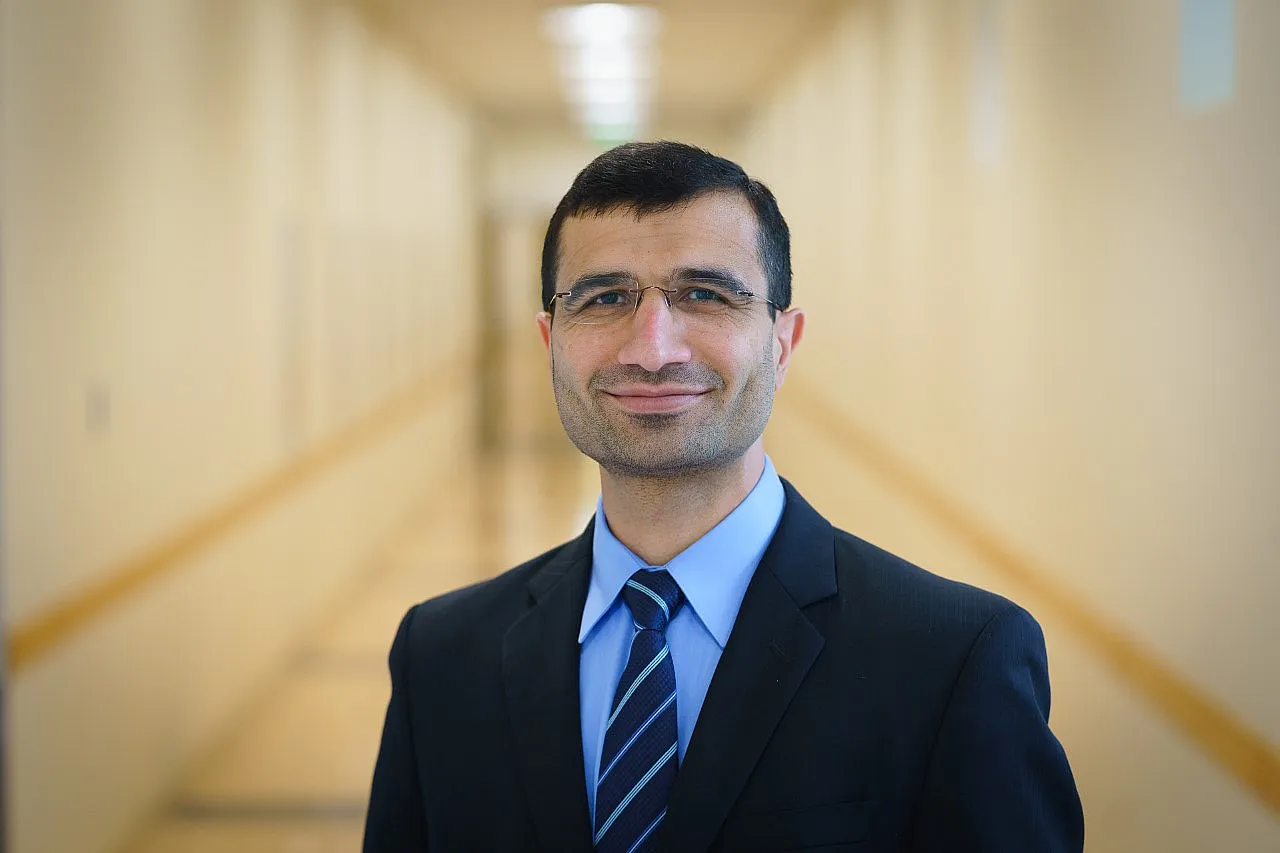
Hassan A Khalil, MD
Brigham And Women's Hospital
Brigham And Women's Hospital
I specialize in minimally invasive surgical techniques in treatment of thoracic and foregut diseases. I am a certified robotic console surgeon in the da Vinci Xi robotic platform but also have quite a diverse portfolio in terms of surgical technique, including laparoscopy, thoracoscopy, open, and hybrid approaches, depending on the nature of the disease and the needs of the patient or disease process. In terms of expertise in thoracic surgery, I provide my patients with two novel and cutting-edge approaches. First, is in lung-sparing operations for lung carcinoma: when technically feasible, I perform minimally invasive lung segmentectomy to remove early-stage lung carcinoma. This allows me to spare more of the unaffected parts of the lung. Though technically more challenging, this operation affords eligible patients the advantages of having a formal cancer operation but without the detrimental long-term effects of a lobectomy. My second area of expertise is in the surgical management of esophageal disasters (e.g. esophageal perforations, anastomotic leaks, and fistulae). In addition to standard surgical treatment of such conditions, I have an expertise in using endoluminal vacuum therapy, which exploits healing of wounds by secondary intention. Due to the favorable outcomes. I have been able to achieve with this technique, I am frequently referred patients by other thoracic surgeons to manage complex esophageal defects that have failed standard surgical therapy. As a new member of the faculty, I am actively working to start a laboratory at Brigham and Women’s Hospital to study hypoxia-induced angiogenesis in the lung, particularly to understand long-term effects of severe COVID-19 pneumonia. Among other things, I also study the role of epithelial-mesenchymal transition in bowel anastomotic healing, which ties heavily with my clinical work with esophageal leaks. I collaborate with many other scientists and researchers, including with members of the faculty in my division. I have collaborators at several institutions in the United States and Germany
Hassan A Khalil, MD
Brigham And Women's Hospital